Site Access Management in Ireland: How to Control Who Enters Your Site
Quick Answer: Site access management in Ireland means deciding who may enter, checking what applies to their role and task, and recording each entry. Safe Pass, CSCS and site induction apply to construction workers where required. Digital gate rules make these checks consistent and auditable, but responsibility stays with employers, the PSCS and contractors.
Good site access management removes the guesswork. This guide covers what Irish law expects, what to check, and how digital access rules can help.
Permission to Enter Is Not Permission to Work
A person may be authorised to enter a reception area, attend a meeting or make a supervised delivery without being authorised to carry out construction work. Similarly, a valid Safe Pass does not establish competence for every task. As such, it does not replace the information, instruction, task-specific training and supervision that an employer must provide, according to HSA.
Your access process should distinguish between:
- Workers entering to carry out construction activities.
- Visitors entering under agreed supervision or escort arrangements.
- Delivery personnel following designated routes and unloading arrangements.
- Specialist workers who need task-specific competence, certification or authorisation.
HSA guidance distinguishes between these categories when explaining Safe Pass requirements. Do not apply an identical document checklist to every entrant without considering their role and activities.
What to Check Before Someone Enters or Starts Work
Complete initial verification before mobilisation where practicable. At arrival, confirm identity and access authorisation, check for expired or changed requirements, and provide any remaining site-specific information. The following checklist separates entry checks from contractor approval and task authorisation.
|
Check |
What to confirm |
When it applies |
|
Identity and authorisation |
The person’s identity, employer or host, purpose of visit and permitted destination. |
Use a proportionate process for workers, visitors and delivery personnel. |
|
Safe Pass |
A valid Safe Pass or recognised equivalent. |
Where required by law or site policy. |
|
CSCS |
The relevant certification for the activity the person will undertake. |
Where the activity falls within the Construction Skills Certification Scheme. |
|
Site induction |
Relevant site rules, hazards, emergency procedures and access arrangements have been explained. |
Tailor the information to the person’s role and exposure. |
|
Task risk controls |
Relevant risk assessments and safe working arrangements are in place and communicated. |
Before the task begins; not every visitor requires a RAMS document. |
|
Task competence and authorisation |
Appropriate training, qualifications, experience and permission to perform the work. |
According to the task, equipment and applicable requirements. |
|
Contractor approval and insurance |
Company approval and insurance required by the contract or project. |
Usually checked at company level before mobilisation, rather than for every individual entry. |
A Safe Pass lasts four years under S.I. 129 of 2019. It proves general safety awareness only. It does not replace site induction or task training, and a principal contractor may still require it from visitors as a site rule. Safe Pass verification should therefore confirm validity and applicability, not just that a card exists.
Separate permission to enter from permission to work, and treat workers, visitors and deliveries differently. Complete checks before the worker travels where possible. Pre-arrival uploads and online contractor site induction cut gate delays, but they do not replace a site briefing on routes and emergency arrangements. Your Contractor Management records can hold company and worker documents in one place.
Where Manual Sign-In Falls Short
A well-run paper process can work. Problems start when records are incomplete or checks vary.
- Slow retrieval. Nobody can search months of handwritten pages quickly.
- Uncertain occupancy. If people leave without signing out, you cannot give a reliable headcount in an evacuation.
- Weak evidence. A signature does not show that anyone checked a Safe Pass or induction record.
- Unnecessary disclosure. An open sheet shows earlier names and employers to the next person who signs.
GDPR applies to paper and digital records alike. Collect only what you need, limit who sees it and keep it secure.
How Digital Site Access Control Works
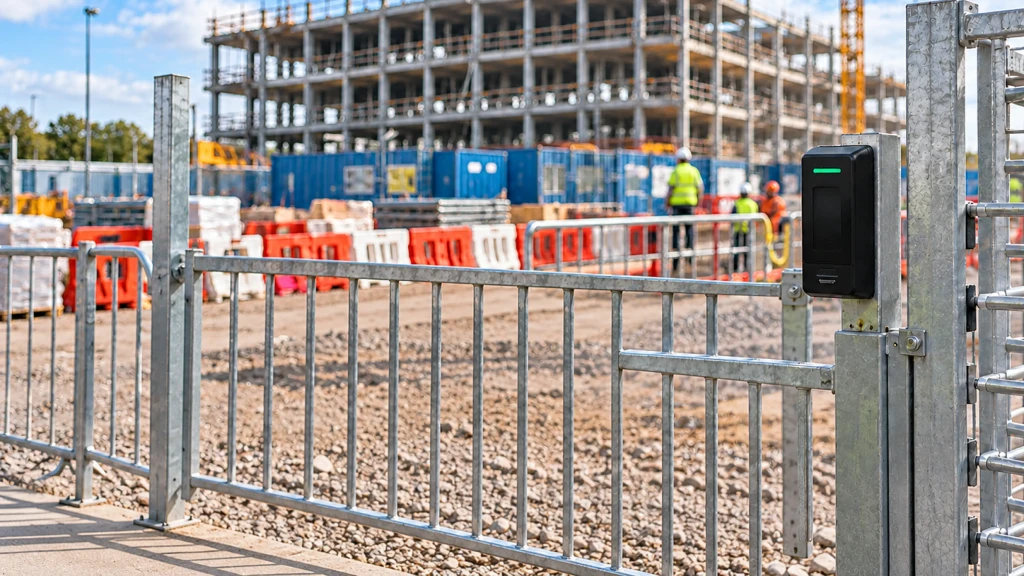
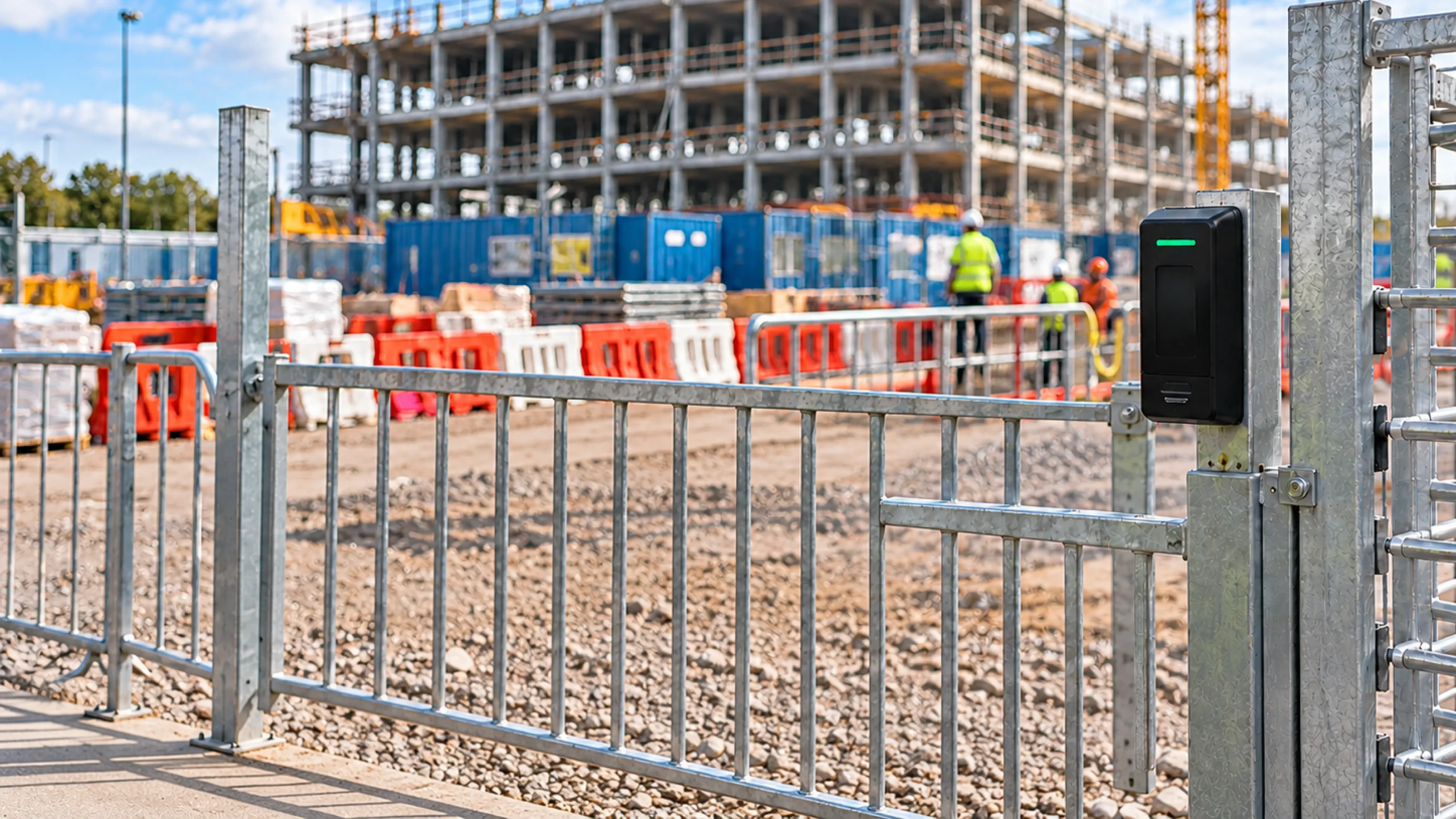
A site access control system turns the gate into a checkpoint. QR code site access typically follows five steps:
- Contractors upload company documents, such as insurance and certificates, through a secure portal.
- Workers add the credentials their role needs and complete onboarding and induction.
- A reviewer resolves gaps, and you set gate rules for the site.
- Workers scan a personal QR code on arrival and get a pass or fail result in seconds.
- Every scan goes into a live access log, which you can filter by company, site and date.
Two points need care. First, a failed scan does not physically stop anyone. Your gate team or barrier must act on the result, so agree who responds and how exceptions are approved. Second, a headcount is only as reliable as the departure records behind it. Check how exits, visitors and deliveries are captured, and what happens in an outage.
Setting Up Access Rules by Site
A fit-out in an occupied office and a live excavation need different arrangements, yet legal checks never become optional. Build your rules in layers:
|
Layer |
Examples |
|---|---|
|
Legal requirements |
Safe Pass, CSCS, induction, task competence |
|
Site rules |
PPE, permitted areas, traffic routes, visitor arrangements |
|
Task rules |
RAMS, permits, equipment authorisation |
|
Contract terms |
Approved companies, insurance, client documents |
Then follow four steps:
- Map entrant types and draw rules from your safety statement and the PSCS safety and health plan.
- Name owners for document review, induction and exceptions.
- Test with expired cards, missing documents, failed scans and outages.
- Review the rules when work, routes or hazards change.
Keep an exception process, but never let an override bypass a legal requirement.
What to Look for in a Site Access Control System
- Role-based rules. Different checks for workers, visitors and deliveries, set by site.
- Document review. Approval status, expiry alerts and a record of who approved each document.
- Mobile and multilingual access. Workers scan on their own phone, with an alternative for anyone without one. Multilingual content helps, but it is not proof of understanding.
- Complete logs. Passes, fails, overrides, entries and administrative changes.
- Security. Encryption, access permissions and retention settings. Ask to see any ISO 27001 certificate and its scope.
- Integration. Links to onboarding and contractor management, plus APIs.
EduSafe Site Access Management is built around these points. It enforces QR code gate rules by site and links to Employee Onboarding and Contractor Management, which supports multilingual compliance. EduSafe is ISO 27001 certified and built with GDPR requirements in mind. Most organisations launch within two weeks, and admins train in under 90 minutes. See Site Access Management for details.
Start With Clear Rules, Then Digitise Them
Clear rules and named owners come first. Software then makes them easier to apply and evidence. Book a free demo to see how EduSafe checks Safe Pass, induction and documents in seconds. Book a Demo
Frequently Asked Questions
What is site access management in Ireland?
It is deciding who may enter a site, checking what applies to them and recording each entry.
Is Safe Pass required to enter a construction site in Ireland?
Yes, for construction workers and on-site security. Supervised visitors are not legally covered, but a principal contractor can require a card as a site rule.
Does a valid Safe Pass prove a worker can do the task?
No. It shows general safety awareness. Task training, supervision and induction are still needed.
How does QR code site access work?
Each worker scans a personal QR code at the gate. The system checks their profile against the site’s rules and returns pass or fail.
About EduSafe:
EduSafe Team comprises compliance specialists, safety practitioners, and digital transformation experts focused on modernising how organisations manage health, safety, and regulatory compliance.
Drawing on over 20 years of experience working with organisations across manufacturing, construction, pharmaceutical, and government sectors, the team provides insights on improving compliance workflows, reducing administrative burden, and maintaining audit-ready documentation aligned with Health and Safety Authority (HSA) standards and industry regulations.